The Thames is tidal from Teddington Lock to the sea, with two high and two low waters most days, about 50 minutes later each day.
At London Bridge the river can rise and fall by around seven metres on the biggest tides.
We plan the day from the tide: the tide windows first, then everything else around them.
Our fast boats beat the tide more than people expect, so it shapes the plan rather than ruling it.
The basics
The Thames is tidal from Teddington Lock to the sea. Most days there are two high waters and two low waters, and the times move on by about 50 minutes a day. At London Bridge the river can rise and fall by around seven metres on the biggest tides. High water arrives later the further upstream you go, so check the tide for your location, not just London Bridge. The PLA publishes the tide tables.
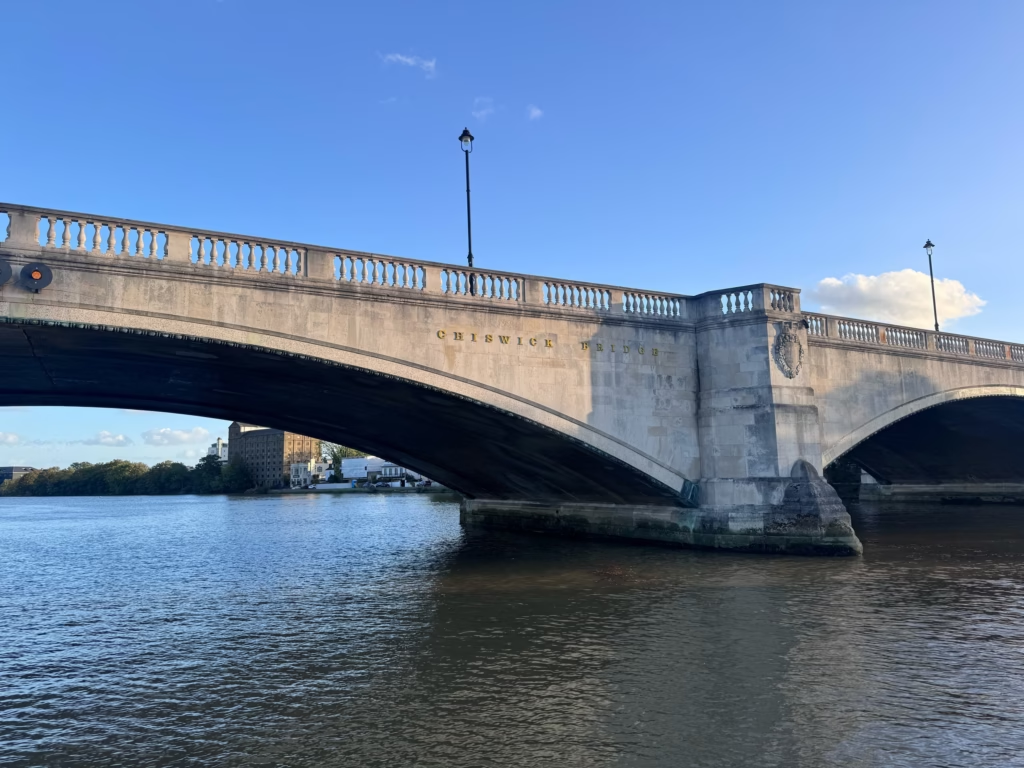
Chiswick Bridge, upriver at Mortlake. The tide runs all the way up to Teddington, so even here the water level, and the headroom under each bridge, changes through the day.
Springs and neaps
Twice a month, around the new and full moon, spring tides bring the highest highs, the lowest lows and the strongest streams. In between, neap tides are gentler. A shot that is easy on a neap can take more work on a spring.
What the tide changes
How fast the river runs. The stream is slackest around the turn of the tide and strongest in between, when it runs at several knots through central London.
Headroom under the bridges. There is less at high water, which matters for tall boats and for rigs on deck.
The foreshore. At low water the steps, beaches and shingle appear. Filming on or over the foreshore needs the PLA’s permission, and the tide comes back in quickly.
The look of the river. High water fills the frame to the embankment walls, and low water shows the foreshore and the river’s working edge.
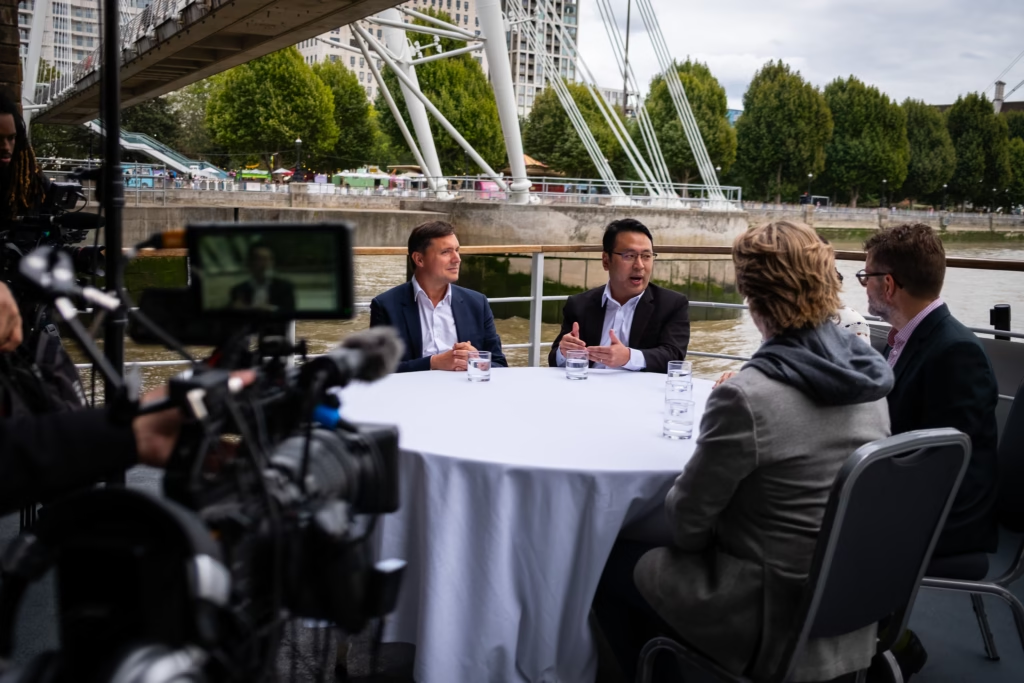
Passing under the Golden Jubilee Bridges on a roundtable shoot. The headroom under every bridge changes with the tide.
Planning a shoot around the tide
We plan the day from the tide. First we work out which state of tide each shot needs, then find the windows on your dates when the tide and the light line up, and fit everything else around them. On a shoot of several days we allow for the tide moving on: a schedule that works on Monday won’t work on Friday.
Our fast boats beat the tide more than people expect. They make light work of the stream and get to the next set-up quickly, so the tide shapes the plan rather than ruling it.