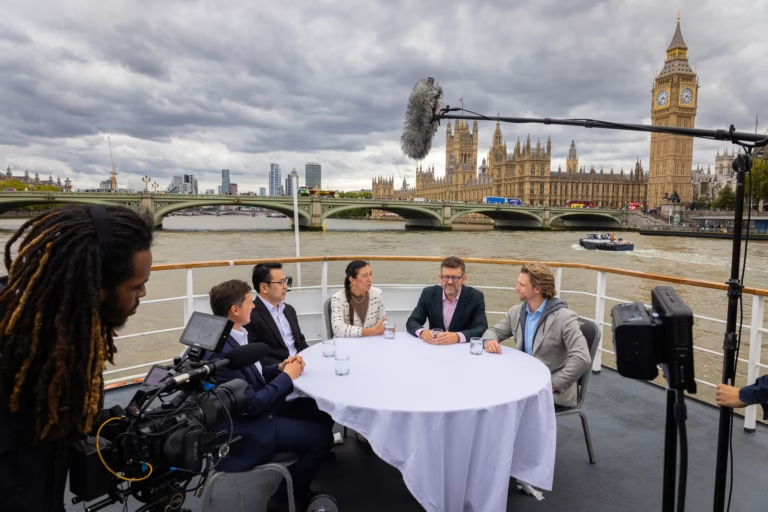
By the Cinecraft team: skippers and drone pilotsFacts checked 7 Oct 20262 min read
At a glance
You get a call sheet with the boarding point, the times and the plan for each set-up, worked out against the tide. Everyone coming on board fills in a short health declaration, so the skipper knows about anything that matters on the water before the day.
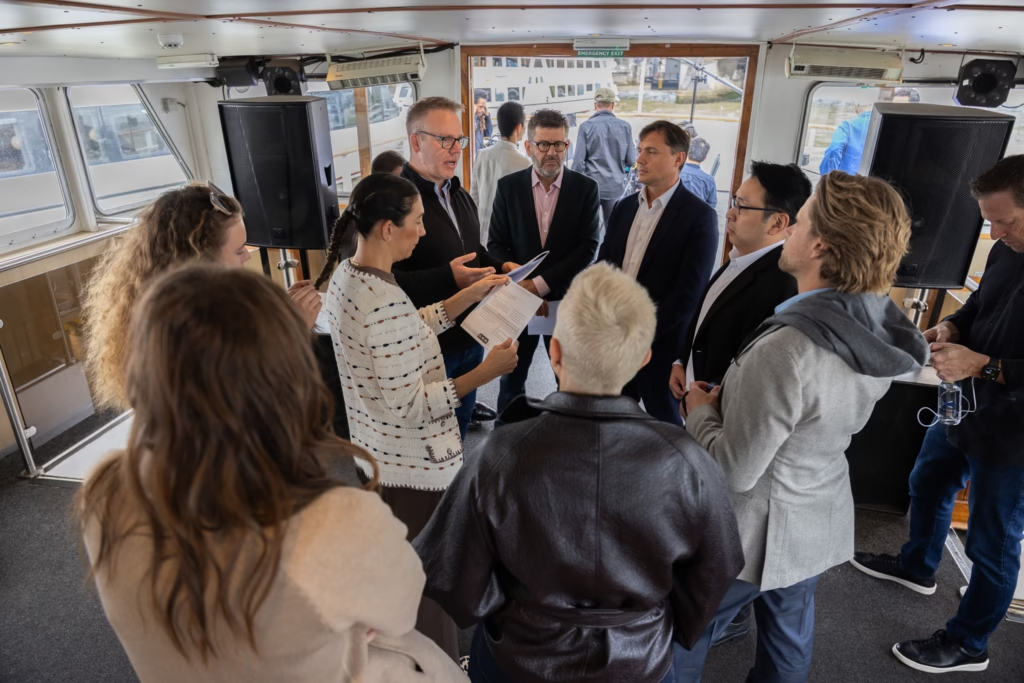
Nobody boards until the skipper has briefed them: where to stand and where not to, how to move around the deck with kit, the lifejackets, what happens if someone goes in the water, and who to listen to when the boat is manoeuvring. It takes a few minutes and it sets the tone for the day.
Cameras, rigs, lights and power go on board in the order the skipper sets, so the deck is clear for the first set-up. Tell us in advance about anything heavy, tall or that needs power, and we plan where it lives on the boat.
The plan is built around the tide, but the river decides the details. Passenger boats, tugs and tows come through to their own timetables, and the PLA doesn’t stop traffic to keep a shot clean, so a take with a boat crossing the background gets done again. Our skippers read the river and reposition for the next clear window, and the order of shots moves with it.
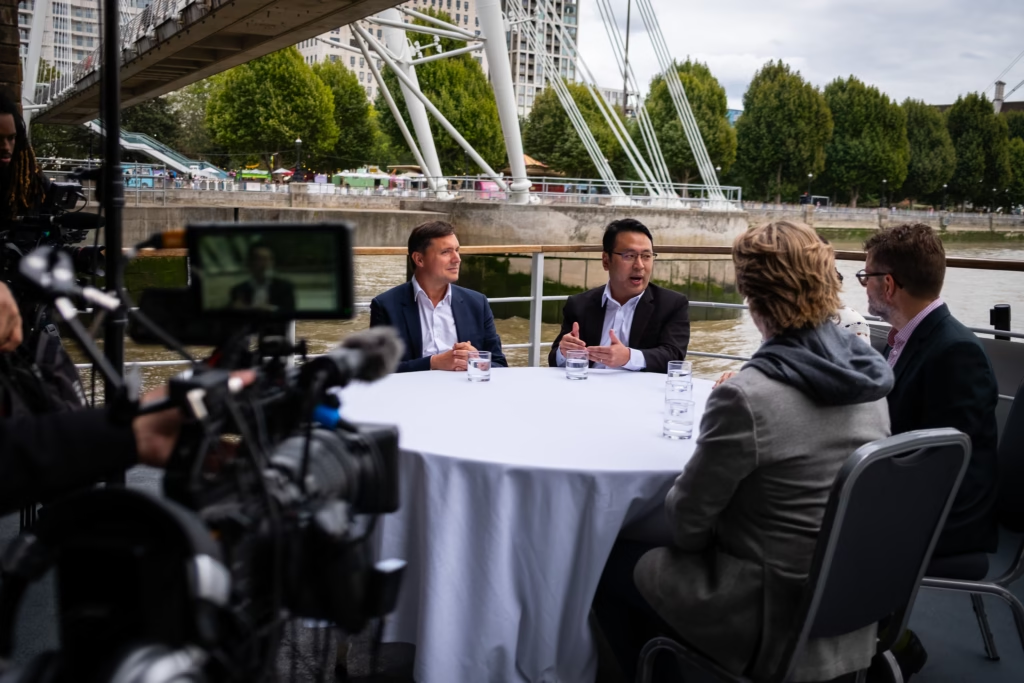
Directors and clients can watch from the film boat. For bigger crews, a second boat or a spot on a pier becomes the video village, with live pictures near the action.
We watch the forecast with you in the days before, agree a back-up plan, and make the call on the day. Wind against the tide can make a stretch of river too lively for a steady shot, and some days are better moved than fought. How weather days work is in your quote terms.
At wrap the boat brings you back to the boarding point. Raw files are with you within 48 hours, or the same day on request.
Planning a shoot?Tell us where on the river and when. We reply within the hour, 8am to 8pm, 7 days.
Plan a Thames shootor call 020 3039 3931